

Common Heatilator issues
- Gas logs set out of position, causing sooting
- Wood units with damaged refractory panels
- Vent terminations blocked by nests or debris
- Thermocouple or thermopile wear on older millivolt units
Heatilator services we offer
Frequently asked questions
Other gas fireplaces brands we service
Areas we cover
Complete Heatilator guide
Heatilator service and repair
Looking for Heatilator service? EmberRise Pro is an independent home heating company that services Heatilator gas and wood fireplaces. We are not an authorized Heatilator dealer and do not sell new Heatilator equipment, but we diagnose, clean, maintain and repair it in homes across the city.
This guide explains how Heatilator equipment works, the problems we see most often, what a service visit includes, how pricing works, and how to decide between repair and replacement.
About Heatilator gas and wood fireplaces
Heatilator makes both gas and wood fireplaces, many of them zero-clearance units built into walls during construction. That means service often involves the venting and framing around the box, not just the burner or firebox.
Questions to ask about your Heatilator repair
Good questions to ask any Heatilator technician: Have you worked on this type of fireplace or stove before? What exactly is wrong and how did you confirm it? Is the part genuine or compatible? What does the price include, and is anything excluded?
You can also ask what would happen if you waited, how long the repair should last, and what maintenance would help avoid the same problem. A clear answer to each is a good sign.
What happens during a Heatilator service visit
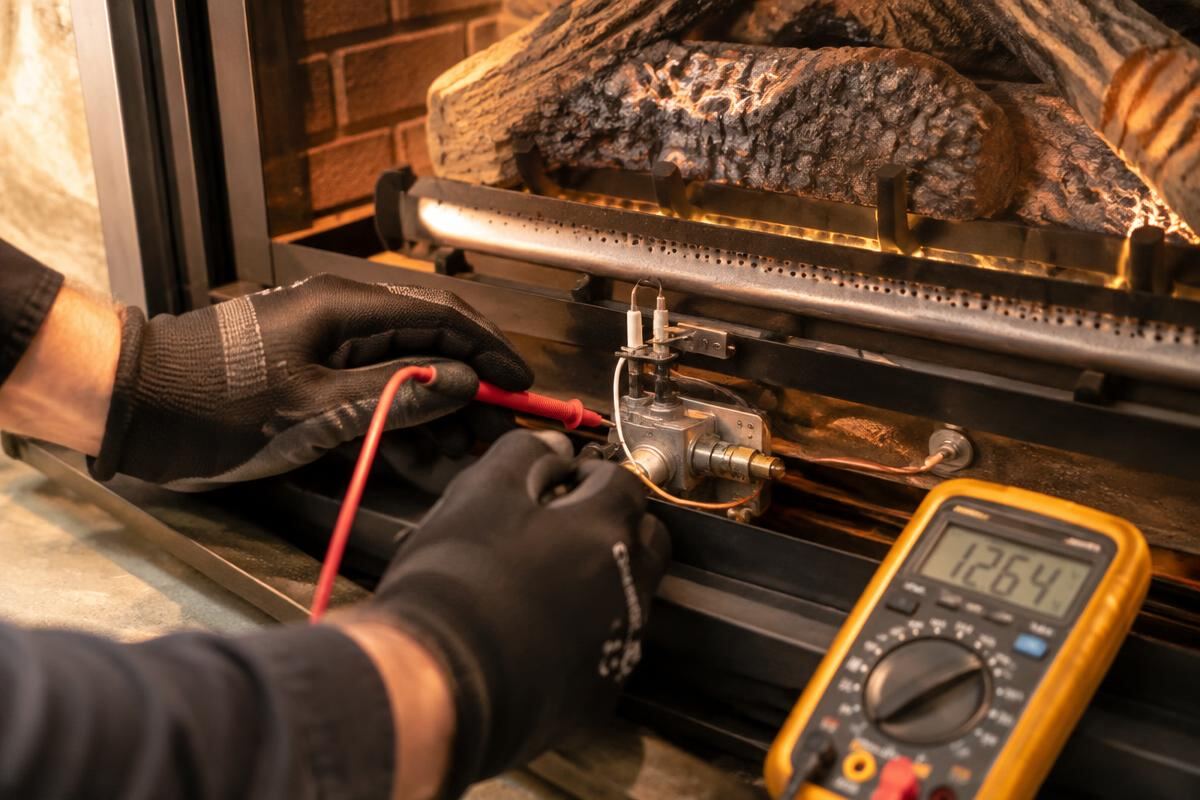
A Heatilator service visit starts with questions about what you have noticed and when. The technician then confirms the model, checks the gas supply and venting where relevant, cleans key components and tests safety controls.
If a part has failed, we explain what it does, show you the reading or condition that points to it and give you a price before ordering. You decide whether to go ahead.
Heatilator myths and facts
Many Heatilator owners believe service is only needed when something breaks. Regular checks actually catch most failures early, when the fix is smaller and cheaper.
Another common belief is that error codes always mean an expensive repair. Often they point to something simple, such as a dirty filter, a blocked vent or a setting that changed. A technician reads the code alongside the actual conditions before recommending parts.
Finally, some owners assume an independent technician cannot work on Heatilator equipment. We service Heatilator gas and wood fireplaces regularly; the only difference is that we are not an authorized dealer and do not perform manufacturer warranty claims.
How Heatilator equipment works
A gas fireplace mixes natural gas with air at the burner and lights it with a pilot or electronic igniter. A safety device confirms the flame and shuts off gas if it is lost. Combustion gases leave through a vent, and on direct-vent units fresh air comes in through the same vent.
Wood stoves and fireplaces burn fuel in a firebox and send smoke up a chimney or liner. Air controls, baffles and gaskets set how hot and clean the fire burns. When any of those wear, efficiency drops and creosote builds faster.
Repair or replace your Heatilator fireplace or stove?
The repair or replace question for Heatilator equipment comes down to condition, parts and how you use it. A unit you rely on every day in winter deserves a different decision than one used a few evenings a year.
Our job is to give you the facts. The decision is yours.
Common Heatilator problems we fix
Older Heatilator wood units are sometimes better candidates for a gas insert than for major rebuilding. We explain the options honestly.
- Gas logs set out of position, causing sooting
- Wood units with damaged refractory panels
- Vent terminations blocked by nests or debris
- Thermocouple or thermopile wear on older millivolt units
- New smells, noises or smoke
- Draft problems or smoke spilling into the room
- Remote or wall switch stopped working
What Heatilator owners can do between visits
What can you safely do yourself? Keep the area around the Heatilator fireplace or stove clean and clear, change remote or backup batteries, keep vents and equipment pads free of debris, and note any changes in how the unit behaves.
What should you leave to a technician? Anything involving gas controls, burners, venting, combustion settings or electrical components. These affect safety and should only be handled by someone qualified.
After your Heatilator service
After a Heatilator service, you receive a short summary of what was cleaned, tested and replaced, along with any readings that matter for safety. Keep it with your home records; it helps the next technician and can matter if you sell the home.
Watch the fireplace or stove through its first few cycles. A faint smell as dust burns off a freshly cleaned fireplace is normal for a short time. Persistent odours, new noises or repeated shutdowns are not, and you should call us back.
How to prepare for your Heatilator appointment
A little preparation makes a Heatilator visit faster. Make sure the technician can reach the fireplace or stove, the gas shut-off and, where relevant, the outdoor vent or equipment pad. Pets are best kept in another room.
Have your manual or any past service records ready. If you rent the equipment, check your agreement, since some providers cover certain repairs. If you live in a condo or townhouse, confirm any building access rules with management ahead of time.
Take a photo of the rating plate and any error message and include them with your quote request. We use them to check parts availability before we arrive.
Keeping your Heatilator fireplace or stove efficient
Efficiency for Heatilator equipment is not only about the label on the box. Real-world performance depends on venting, clean combustion, water quality and how often the unit is serviced.
Small fixes such as a new gasket, a cleaned burner or a descaled heat exchanger can bring back output that has faded over several seasons. We point out which fixes are worth it and which are not.
Heatilator parts and availability
Parts availability varies by Heatilator model and age. Common parts like igniters, thermocouples and gaskets are usually easy to source. Discontinued control boards or castings can take longer or may not be available at all.
We confirm availability and price with you before ordering anything.
Heatilator service neighbourhoods
We service Heatilator equipment, including Churchill Meadows, Streetsville, Mineola, Meadowvale Village, Creditview and more. Older neighbourhoods tend to have converted masonry fireplaces and older tanks, while newer subdivisions often have builder-installed units with electronic ignition.
Choosing a Heatilator technician
When choosing a company for Heatilator service, ask whether they have worked on your type of unit, how they price parts and labour, and what happens if a part needs ordering. A good technician explains findings clearly and does not pressure you.
When to book Heatilator service
In , the best time to service a Heatilator fireplace or stove is before the heating season starts in September or October. Booking ahead of peak season means more choice of appointment times and less chance of waiting during the first cold snap or the first warm weekend.
If you only use the equipment occasionally, an annual check is still worthwhile. Components that sit idle for months can corrode, collect dust or attract insects and rodents.
Heatilator maintenance tips homes
Keep logs exactly where the manufacturer placed them. Moving them even slightly can change the flame and create soot on the glass.
Schedule service before the heating season starts in September or October.
- Keep the vent terminal outside clear
- Book a yearly inspection and cleaning
- Clean glass only with approved cleaner when cool
- Keep logs and media in their original position
- Have chimneys swept when burning wood
Heatilator service cost
For Heatilator equipment, a typical service visit falls around $200 to $600 plus parts. Parts, access, model age and travel can move that number. Estimated range, final price confirmed after assessment.
We quote parts before ordering them and never treat a missing price as free. If a job needs a quote, we say so.
Signs your Heatilator fireplace or stove needs attention
- Remote or wall switch stopped working
- Glass gasket looks worn or loose
- Soot on the glass or logs
- New smells, noises or smoke
- Pilot will not stay lit
- Draft problems or smoke spilling into the room
- Burner lights then shuts off
Heatilator warranty questions
If your Heatilator equipment is still under manufacturer warranty, check the warranty terms before booking. Some manufacturers require service by an authorized provider during the warranty period. We will not claim to perform warranty work.
Gas safety first
If you smell gas, leave the home right away, then call your gas utility's emergency line and 911 from outside. Do not use switches, phones or flames inside. Do not try to repair gas controls yourself.
Book Heatilator service
Ready to book Heatilator service? Request a quote with your model number, a short description of the problem and a photo if you have one. We reply to confirm availability and pricing.