
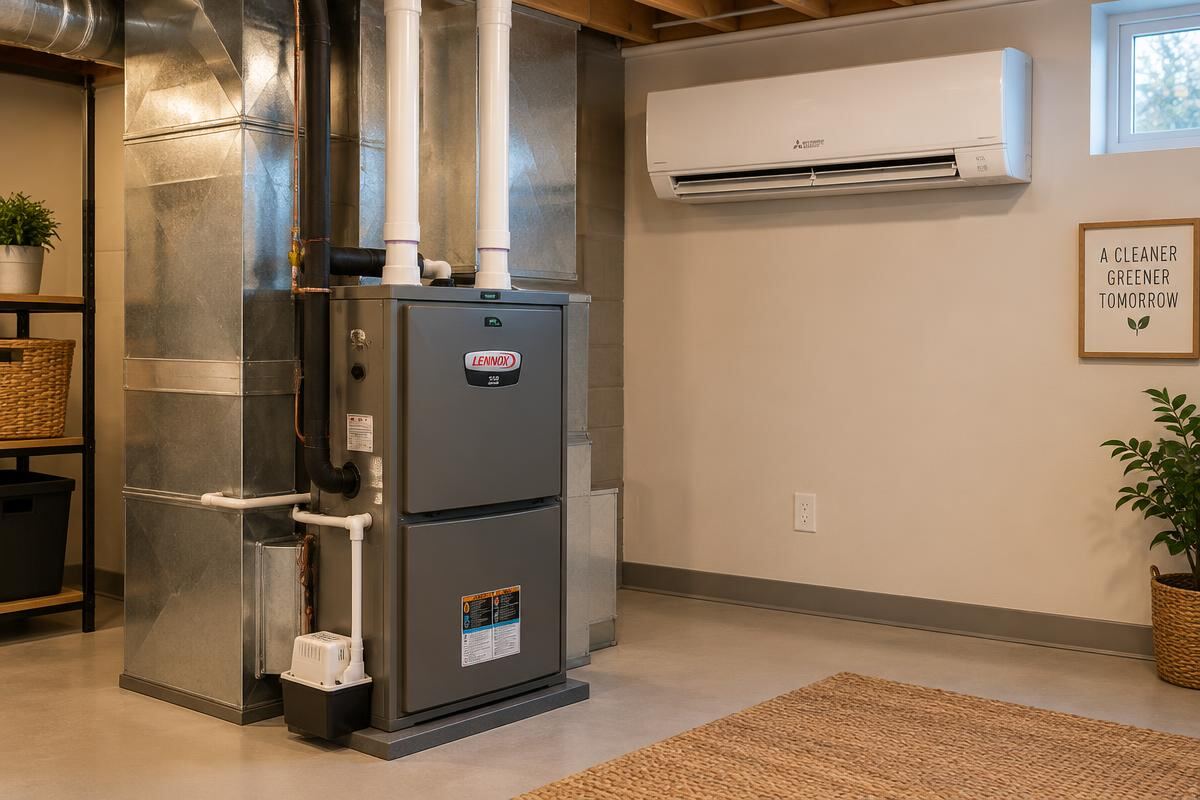
Signs you need ac repair
- Furnace will not start, short-cycles or blows cold air
- AC runs but the house will not cool down
- Ice on the outdoor unit or refrigerant lines
- Water around the furnace or indoor ductless head
- Higher energy bills without a change in use
- New noises: banging, squealing, grinding or rattling
What is included
- Thermostat and electrical checks
- Inspection of burners, flame sensor, igniter and heat exchanger (furnaces)
- Coil, filter and condensate drain checks (AC, heat pump, ductless)
- Airflow and temperature split measurements
- Written summary and options
What is not included
- Major parts such as compressors, heat exchangers or blower motors (quoted first)
- Ductwork redesign
- Electrical panel upgrades
Our process
- 1
Book
Tell us the equipment type and what is happening.
- 2
Diagnose
We test the system and find the root cause.
- 3
Quote
You get a clear repair or replacement option with pricing.
- 4
Fix and verify
We complete the work and confirm the system heats or cools properly.
Repair or replace?
Furnaces and AC units are often worth repairing up to around 12 to 15 years old. If the equipment is older, uses phased-out refrigerant, or needs a major part, replacement is often the better long-term value.
Customer reviews
Sample review for design preview, not a real customer
“Clean install of a ductless head in our condo bedroom. They coordinated with building management, which saved me a lot of back and forth.”
Sample review for design preview, not a real customer
“Furnace would not ignite on a cold morning. They traced it to a dirty flame sensor and checked the whole system before leaving.”
Frequently asked questions
Related services
Nearby areas we serve
Complete guide
A homeowner's guide to ac repair
This page is for homeowners dealing with a heating and cooling system problem or planning ahead. It walks through how the equipment works, the issues we see most, what a visit involves and what you can expect to pay, all in plain language.
AC Repair covers diagnosis, service and repair for your heating and cooling system. We start by understanding the symptoms, then test the parts most likely to be involved.
You get a clear explanation of what we found and a written price before any work begins, so you stay in control of the decision.
Timing for a typical ac repair job
Most ac repair visits take one to two hours once the technician is on site. Straightforward service and common repairs usually finish in a single visit, while jobs needing special-order parts or a permit inspection can stretch over two appointments.
The easiest way to shorten the visit is preparation: have the model and serial number ready, clear access to the heating and cooling system and describe the symptoms in the quote form. Technicians can often bring the likely part on the first trip.
What to ask before hiring for ac repair
The right company treats your questions as part of the job, not an interruption. If an answer about your heating and cooling system feels evasive, keep looking.
- Get the diagnosis explained before approving any repair
- Confirm gas work will be done by a properly certified technician
- Ask who handles permits and inspections if the job needs them
- Compare quotes on the same scope: parts, labour, testing and cleanup
- Look for clear answers about repair versus replacement
- Check reviews that mention the same service you need
How a ac repair appointment works
The visit starts with a conversation. The technician asks what you have noticed, when it started and whether anything changed recently, such as a power outage, renovation or new appliance. This often points straight to the cause.
Next comes a visual inspection and testing. Depending on the heating and cooling system, that can include gas pressure readings, electrical tests on sensors and igniters, venting checks and a full operating cycle. Findings are explained as the work goes, and you can ask to see any worn or failed part.
Before any repair, you receive a written price for parts and labour. If a part needs ordering, we tell you the expected wait and whether the heating and cooling system is safe to use in the meantime. After the work, the system is tested again and you get notes on what was done.
How a heating and cooling system works
Heat pumps are becoming common: they move heat rather than create it, so they cool in summer and heat for much of the winter, usually paired with a furnace for the coldest days. They have their own service points, including refrigerant charge and defrost operation.
The thermostat ties everything together. A failing thermostat or wiring fault can make a perfectly good furnace or air conditioner seem broken, so it is one of the first things a technician checks.
The details vary by model, but the pattern holds across heating and cooling systems homes: a small wear part usually fails first, and catching it early keeps the repair small. That is why we test the cheap, common failures before the expensive ones, and why a symptom that seems minor is still worth a call.
Getting a fair quote for ac repair
When you collect quotes for ac repair, compare scope, not just the bottom line: diagnosis, parts, labour, testing, permits and cleanup should all be spelled out. A low number that leaves half of these out is not actually the low number.
A second opinion is always reasonable, especially on a big repair. Any company confident in its diagnosis will not mind you checking it.
Mistakes that make heating and cooling system problems worse
Well-meaning DIY is behind a surprising number of ac repair calls. Opening sealed components or adjusting gas and combustion parts without training can create a safety hazard where none existed, and it often makes the professional repair more involved.
The safer rule is simple: basic cleaning and filter care from the owner's manual is fine, and anything involving gas, combustion, wiring or internal parts belongs to a certified technician.
Where we provide ac repair
Many homes in Meadowvale, Erin Mills and Mississauga Valleys still run original or second-generation furnaces from the 1990s and 2000s, while newer homes in Churchill Meadows and Lisgar often have high-efficiency equipment that is now reaching its first major repairs.
Our technicians cover many neighbourhoods, from Erindale, Fairview, Hurontario, Lakeview, Lisgar, Lorne Park, Malton, Meadowvale, Meadowvale Village and Mineola and everywhere in between. Not sure if you are in range? Send your address with the quote form and we will confirm.
The issues behind most ac repair calls
Not every heating and cooling system problem looks the same from the outside. The list below covers what we find most often on ac repair visits.
If you recognize one of these on your heating and cooling system, note when it happens and what else was running at the time. Patterns like "only on cold mornings" or "only when several appliances run together" are valuable clues that can shorten the diagnosis.
- Frequent breaker trips when the system starts
- Water around the furnace from a blocked condensate drain
- Uneven temperatures between floors
- A humming sound from the outdoor unit with no fan movement
- The outdoor unit runs but the indoor blower does not
- Ice on the refrigerant lines or outdoor unit
- Thermostat display is blank or unresponsive
- Air conditioner runs but the house will not cool down
Why your service history matters
Take a photo of the rating plate on your heating and cooling system and keep it with your records. Model and serial numbers are the first thing any technician or parts supplier will ask for, and they are rarely in a convenient spot.
Note the date of each service visit and set a reminder for the next one. Most heating and cooling system care runs on a yearly cycle, and a reminder is the cheapest maintenance tool there is.
Questions worth asking your technician
You do not need technical knowledge to interview your technician. "What did you find?", "What are my options?" and "What would you do if it were your house?" cover most of what matters.
Write the answers down or ask for them in the visit notes. When the next decision about your heating and cooling system comes up, you will be glad you did.
Once the technician leaves
After any ac repair visit, run the equipment through a normal cycle and keep an eye on it for the first few days. New noises, smells or error codes should be reported right away, while the details of the visit are still fresh.
Keep the service notes with your home records. A history of what was repaired and when makes every future diagnosis faster, and it is useful documentation if you ever sell the home.
What ac repair looks like season by season
Spring is for closing out heating season and preparing cooling and pool equipment. Summer belongs to air conditioning, BBQ lines and outdoor work. Fall is furnace and fireplace season, and winter is when everything that was ignored announces itself.
Booking ac repair in its natural off-season means shorter waits and more flexibility. It also means a problem found early stays a small problem.
Best time of year for ac repair
Timing affects both availability and cost of waiting. During peak season, appointment slots fill days ahead and parts suppliers run leaner. During the off-season, the same ac repair can often be booked within a day or two.
A sensible rule homeowners: heating equipment gets checked in early fall, cooling equipment in spring, and anything showing symptoms gets checked now, regardless of the calendar.
If you are reading this because something already failed, do not worry about timing. Send the details through the quote form and we will give you a realistic answer about how soon we can attend.
What ac repair costs
The estimated range for ac repair is $200 to $600, with many jobs averaging around $400. This is an estimated range based on typical market prices, and your final price is confirmed after assessment.
The main things that move the price are the age and type of the heating and cooling system, the parts needed, access (tight spaces, finished ceilings or rooftop work take longer), and whether permits or inspections are required. HST is added to the final invoice.
To get an accurate quote quickly, send the make and model, a photo of the unit and its rating plate, and a short description of the problem. You can use the quote form on this page or try our online price estimator for a starting range.
Deciding between repair and replacement
A simple rule many homeowners use: if a repair costs more than half the price of new equipment and the heating and cooling system is near the end of its expected life, replacement is usually the better value. If the unit is younger and the fault is a common part, repair almost always wins.
Other things to weigh are efficiency, safety and how much you rely on the equipment. We give you both options with prices when it is a close call, and we will say so when a repair is not worth it.
Efficiency and your gas bill
A well-maintained heating and cooling system uses less energy than a neglected one, and the difference shows up on your utility bill. Clean burners, good airflow and correct settings are not luxuries; they are the difference between the efficiency on the rating plate and the efficiency you actually get.
If your gas or electricity use has crept up without a change in habits, the equipment is a reasonable place to look. A service visit can confirm whether performance has drifted.
Keeping your heating and cooling system in good shape
Changing your furnace filter every one to three months is the easiest maintenance you can do yourself. A clogged filter strains the blower, reduces airflow and can cause the system to overheat and shut down.
A furnace tune-up in the fall and an air conditioner tune-up in the spring keep both running efficiently. Typical work includes cleaning the flame sensor and burners, checking the igniter, testing safety switches, inspecting the heat exchanger, checking refrigerant performance and cleaning the condenser coil.
Homeowners often ask what they can safely do themselves. The honest answer: keep the area around the heating and cooling system clear and clean, follow the owner's manual for basic care, and leave anything involving gas, combustion or internal parts to a certified technician.
Preparing for your appointment
A few minutes of preparation makes the visit faster. Make sure the heating and cooling system is reachable, the area around it is clear and an adult is home to approve the written price before work begins.
Write down the symptoms you have noticed and when they started. If the problem comes and goes, a short video on your phone can be more useful than any description.
How we handle every job
- Respect for your home: floor protection and a clean work area
- Straight answers about your heating and cooling system, including when repair is not worth it
- Options explained in plain language, not trade jargon
- Written pricing approved by you before any repair
- Follow-up notes so you know exactly what was done
A word on safety
Because a furnace burns fuel indoors, venting and heat exchanger condition are safety issues, not just performance issues. Working carbon monoxide alarms on every level are essential, and an alarm that sounds means everyone goes outside first.