It is the middle of a winter, the thermostat says heat, the fan is running, and the air coming out of the vents is cool or barely lukewarm. A furnace blowing cold air is one of the most stressful home problems because it tends to happen at the worst possible time, usually on the coldest night of the week.
Sometimes the fix is as simple as a thermostat setting or a clogged filter. Other times the furnace has shut down its burners for safety and needs a technician. This guide explains how a gas furnace makes heat, the most common reasons it blows cold air, what you can safely check, what a furnace repair visit involves and how much it typically costs.
How a gas furnace heats your home
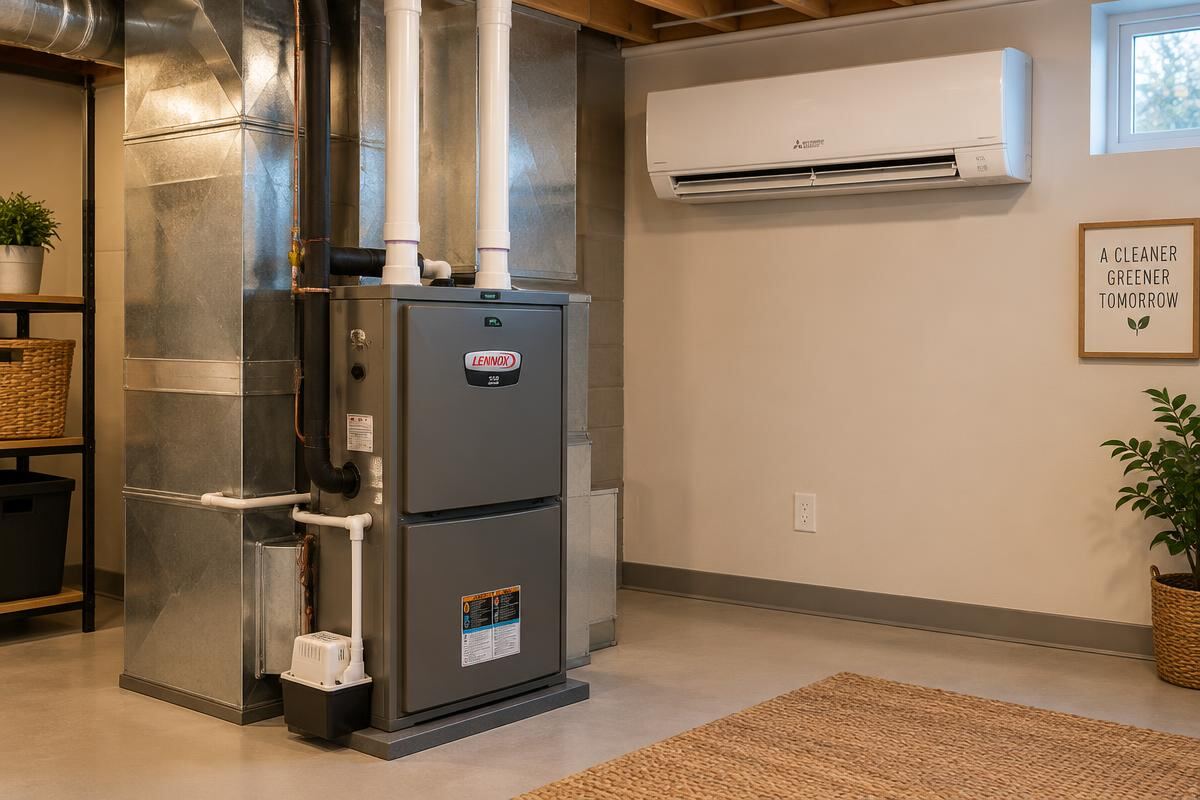
When the thermostat calls for heat, a modern gas furnace runs through a sequence. The inducer fan starts and clears the heat exchanger, a pressure switch confirms the venting is working, the igniter heats up, the gas valve opens, and the burners light. A flame sensor confirms the flame. After the heat exchanger warms, the blower turns on and pushes warm air through the ducts.
If anything in that chain fails, the control board stops the sequence and, in many cases, keeps trying several times before locking out. Meanwhile the blower may keep running to cool the furnace down, which is why you feel cool air even though the burners are off. Understanding this sequence explains why so many different problems end up with the same symptom.
Most common reasons a furnace blows cold air
In our experience the causes cluster into a few groups: settings, airflow, ignition and safety shutdowns.
- The thermostat fan is set to ON instead of AUTO, so the blower runs constantly even between heating cycles.
- A dirty or clogged air filter restricting airflow and tripping the high-limit switch.
- A dirty flame sensor that cannot confirm the flame, so the furnace shuts off the gas after a few seconds.
- A failed hot surface igniter that no longer lights the burners.
- A blocked intake or exhaust vent outside, often from snow, ice or debris, tripping the pressure switch.
- A plugged condensate drain on a high-efficiency furnace, which stops the furnace from firing.
- A gas supply issue such as a closed valve or a problem affecting other appliances.
- A failing control board or gas valve on an older furnace.
Quick checks you can safely do first
Before you book a service call, run through these checks. They do not involve opening the furnace or touching any gas parts.
- Set the thermostat to HEAT, set the fan to AUTO, and raise the temperature a few degrees above room temperature.
- Replace the thermostat batteries if it uses them.
- Check the furnace filter and replace it if it is grey or clogged.
- Make sure the furnace power switch, often a light switch on or near the unit, is on, and that the breaker has not tripped.
- Go outside and clear snow, ice or debris from the white PVC intake and exhaust pipes on high-efficiency furnaces.
- Make sure supply vents and return grilles inside the house are open and not blocked by furniture.
If the furnace still blows cold air after these checks, leave the cover on and call for service. Please do not bypass switches, clean burners, or try to relight anything inside. If you smell gas, leave the home right away, then call the gas utility emergency line and 911.
Reading the furnace error light
Most furnaces built in the last twenty years have a small LED on the control board visible through a window in the lower door. The light flashes a code, and a chart on the inside of the door explains what each pattern means: pressure switch, flame failure, limit trip and so on.
You do not need to fix anything based on the code, but noting the pattern before you call is very useful. Tell us the number of flashes and the furnace brand when you request service. It helps the technician arrive with the right parts and can shorten the visit.
What a furnace repair visit includes
A proper furnace repair starts with a full diagnosis. Our technicians read the error codes, watch the furnace through a heating cycle, and test the components involved: igniter, flame sensor, pressure switch, limit switch, inducer, gas valve and control board. They also check gas pressure and the venting.
Once the cause is found, you get a clear explanation and a price before any repair. Common repairs like cleaning a flame sensor, replacing an igniter, clearing a condensate line or replacing a pressure switch are usually done on the same visit when parts are available. After the repair, the furnace is run through several cycles to confirm it heats properly and safely.
Furnace repair cost
The cost of a furnace repair depends on what failed and the furnace brand. Cleaning a flame sensor or clearing a drain is at the lower end. Igniters and pressure switches are mid-range. Inducer motors, blower motors, control boards and gas valves are higher. Emergency, evening and weekend service can also affect the price.
Our pricing page shows estimated ranges for furnace repair and service. They are estimated ranges only, and the final price is confirmed after assessment. We tell you the price before work starts so there are no surprises.
Repair or replace an older furnace?
Most furnaces that blow cold air need a repair, not a replacement. Replacement starts to make sense when the furnace is near or past fifteen to twenty years old, the repair is a major part like a heat exchanger or control board, breakdowns are becoming frequent, or heating bills keep climbing.
A cracked heat exchanger is a special case. It can allow combustion gases into the airflow and is generally treated as a replacement situation. If a technician finds one, they will explain what they saw and why it matters. Ask for a written summary and, if you like, a second opinion before you decide.
Not sure what's causing it?
A technician can diagnose it on the first visit and confirm the price before any work.
How to prevent cold air from your furnace
Annual furnace maintenance is the best way to avoid a mid-winter breakdown. A fall tune-up cleans the flame sensor and burners, checks the igniter, tests safety switches, inspects the heat exchanger, checks the venting and condensate system, and measures gas pressure. Small issues get fixed before they cause a no-heat call.
Between visits, replace the filter every one to three months, keep outdoor vents clear of snow, and keep the area around the furnace clean and uncluttered. Make sure you have working carbon monoxide alarms on every level of the home.
Signs your furnace problem is getting worse
A furnace that blows cold air once in a while is often giving early warnings before a full breakdown. Paying attention to these signs can turn an emergency call into a scheduled repair.
- The furnace clicks several times before lighting, or fails to light on the first try.
- The burners light and then shut off within a few seconds.
- The blower runs for long periods while the house stays cool.
- You hear new noises such as squealing, rattling or loud humming from the inducer or blower.
- Rooms farther from the furnace are colder than they used to be.
- Water is pooling around a high-efficiency furnace.
- Your gas bill rises even though you have not changed the thermostat.
Any of these is a good reason to book a furnace inspection before the next cold snap. Repairs done on a weekday afternoon are usually simpler and less stressful than a no-heat call late at night.
Short cycling, uneven heat and other related problems
Cold air from the vents is closely related to other common heating complaints. Short cycling, where the furnace turns on and off every few minutes, is often caused by the same issues: a dirty filter, a weak flame sensor or a limit switch tripping from poor airflow. Uneven heating between floors may point to ductwork, closed vents or a blower running at the wrong speed.
Because these problems share causes, a thorough diagnosis looks at the whole system rather than just the part that failed today. Our technicians check airflow, static pressure, temperature rise and thermostat placement, so the repair solves the root cause instead of just the symptom.
What to do while you wait for a technician
If the house is getting cold, close blinds and curtains to hold in heat, keep interior doors open so warmth from the sunniest rooms spreads, and use safe electric space heaters with automatic shut-off, kept well away from curtains and bedding. Never use an oven, stove or outdoor heater to warm the house.
In very cold weather, open cabinet doors under sinks on outside walls to help protect pipes from freezing. If you have to leave home, keep the thermostat set to heat so the furnace can restart if the problem is intermittent.
Furnace blowing cold air in different situations
The timing of the cold air is a useful clue. If the vents blow cold for a minute at the start of each cycle and then warm up, that is usually normal or a minor fan timing setting. If the air is cold the entire time the fan runs, the burners are probably not lighting or are shutting off early. If the furnace blows warm air for a while and then turns cold, an overheating limit switch, a dirty filter or a flame sensor problem is likely.
Cold air only on one floor or in one room points to ductwork, dampers or blocked vents rather than the furnace itself. Cold air after a power outage may mean the control board needs a reset or has been damaged. Cold air on a high-efficiency furnace during a snowstorm almost always means a blocked intake or exhaust pipe outside. Sharing these details when you request furnace repair helps the technician arrive ready to fix the right thing.
Book furnace repair
If your furnace is blowing cold air and the quick checks did not help, EmberRise Pro can diagnose and repair it. We service furnaces, including Cooksville, Hurontario, Malton and Churchill Meadows. Send a quote request with your furnace brand, what it is doing and any error light pattern, and our team will confirm availability and pricing.