
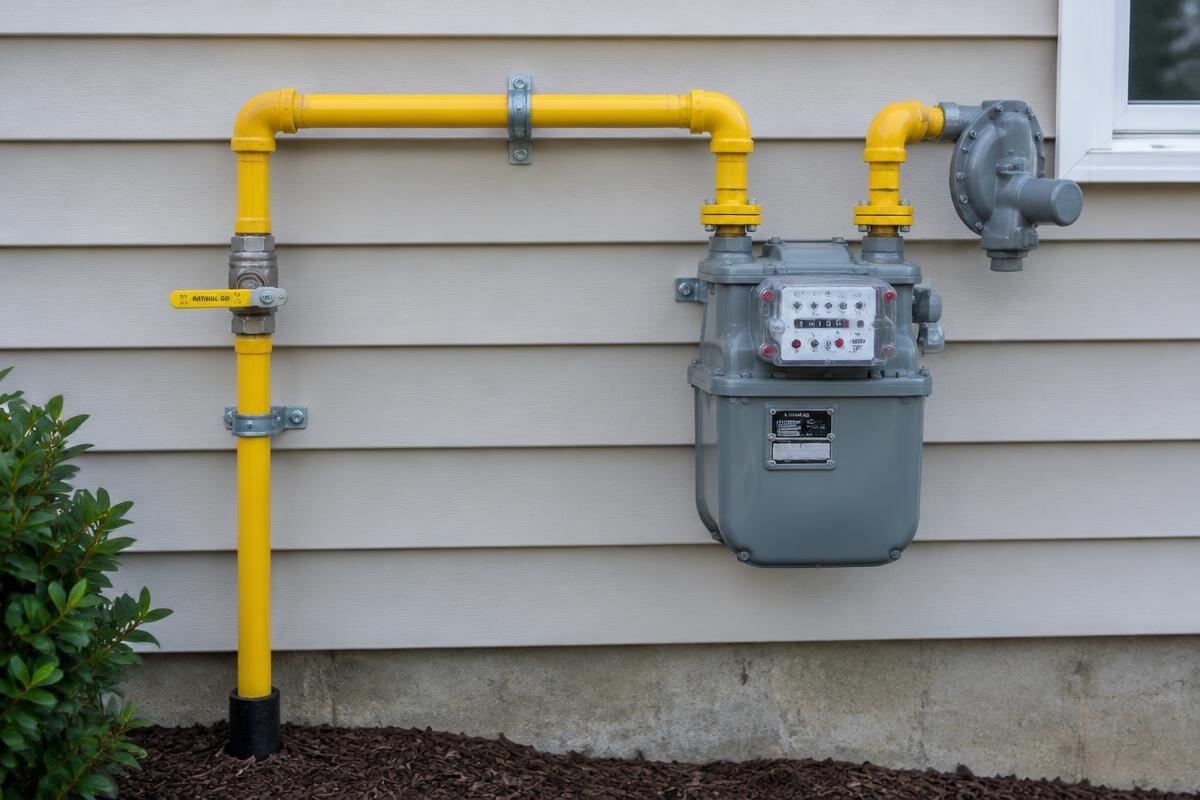
Signs you need gas leak repair
- You are adding a BBQ, range, dryer, fireplace, pool heater or generator
- A rotten-egg smell near an appliance or the meter (leave and call the gas utility first)
- Hissing near gas piping or a dead patch of grass over an underground line
- An appliance has been removed and the line needs to be capped
- Old or corroded piping from a previous renovation
What is included
- Load calculation and line sizing for the appliances you plan to run
- Installation with approved materials and shut-off valves
- Pressure test and leak test of the new or repaired section
- Guidance on permits and inspection requirements
What is not included
- Gas utility meter changes (handled by the utility)
- Trenching through hardscape, drywall patching or painting
- Appliance purchase
Our process
- 1
Describe the job
Tell us what appliance you are connecting and where.
- 2
Site check
We confirm the route, length and pipe size needed.
- 3
Install or repair
Work is done with proper fittings, supports and shut-offs.
- 4
Test
The line is pressure-tested and appliances are checked before we leave.
Repair or replace?
A single leaking fitting can usually be repaired. Corroded, undersized or improperly installed sections are safer to replace than patch, especially before adding a new appliance.
Customer reviews
Sample review for design preview, not a real customer
“Faint smell near the dryer. After we called the gas utility, they came out, found a loose fitting, repaired it and retested.”
Sample review for design preview, not a real customer
“Needed a gas line run to a new BBQ on the deck. The quote was clear, they pressure tested the line and explained the permit side.”
Frequently asked questions
Related services
Nearby areas we serve
Complete guide
A homeowner's guide to gas leak repair
If you are looking for gas leak repair, this guide explains how the work is done, what usually goes wrong, what it tends to cost and how to choose the right team. It is written for homeowners, not trades, and avoids jargon where possible.
Gas Leak Repair covers diagnosis, service and repair for your gas leak. We start by understanding the symptoms, then test the parts most likely to be involved.
You get a clear explanation of what we found and a written price before any work begins, so you stay in control of the decision.
How a gas leak works
Natural gas enters your home at the meter and travels through a network of pipes to each appliance: furnace, water heater, range, dryer, fireplace and any outdoor equipment. Each branch ends at a shutoff valve so a single appliance can be isolated without turning off gas to the whole house.
Older homes sometimes have a patchwork of piping: original black iron, later copper sections and flexible connectors added during appliance swaps. Part of any assessment is confirming what is already there and whether it meets current requirements.
No two gas leaks are exactly alike, and age matters as much as brand. Older equipment often has simpler parts that are easy to source, while newer units are more efficient but rely on sensors and control boards that need proper testing equipment to diagnose. Knowing which you have shapes the whole visit.
How Ontario weather treats your equipment
Life near Lake Ontario keeps humid in summer and biting in winter, and both extremes show up in service calls. Summer humidity stresses cooling equipment and chimney draft; winter cold stresses everything that burns fuel.
Equipment installed outdoors or in unheated spaces needs the most weather attention. Wind, snow and ice find the weak points first, so exterior terminations and cabinets deserve a look after every major storm.
Once the technician leaves
Most homeowners forget the details of a repair within weeks, so take thirty seconds to save the invoice and notes somewhere you will find them. Future you, and any future technician, will be glad you did.
Over the following days, use the gas leak normally. If performance feels different from before the visit, better or worse, that is useful information and worth passing on.
Signs your gas leak needs attention
These are the issues we see most often when homeowners ask about gas leak repair. Several can share the same root cause, which is why testing comes before replacing parts.
If you recognize one of these on your gas leak, note when it happens and what else was running at the time. Patterns like "only on cold mornings" or "only when several appliances run together" are valuable clues that can shorten the diagnosis.
- A shutoff valve that is stuck or will not fully close
- Meter relocation for a basement apartment or addition
- Corroded pipe or fittings in an older basement
- An appliance that fails its startup checks on a shared line
- Old unused lines that should be capped properly
- Outdoor pipe damaged by landscaping or deck work
- A new range, dryer, BBQ, fire table or pool heater needs a gas connection
- An appliance is being moved to a new location
What gas leak repair costs
The estimated range for gas leak repair is $150 to $350, with many jobs averaging around $250. This is an estimated range based on typical market prices, and your final price is confirmed after assessment.
The main things that move the price are the age and type of the gas leak, the parts needed, access (tight spaces, finished ceilings or rooftop work take longer), and whether permits or inspections are required. HST is added to the final invoice.
To get an accurate quote quickly, send the make and model, a photo of the unit and its rating plate, and a short description of the problem. You can use the quote form on this page or try our online price estimator for a starting range.
Maintenance tips to prevent future gas leak repair
After any excavation or deck work near a buried line, have the line checked before heavy use. Soil movement and accidental contact are common causes of outdoor line damage.
Gas piping does not need regular servicing the way appliances do, but connections should be checked whenever an appliance is replaced. Leak testing, pressure testing and visual inspection of exposed pipe help catch problems early.
A simple habit that pays off: once a month during the season, take a minute to look at and listen to your gas leak while it runs. You know what normal looks and sounds like for your own equipment, which makes you the best early-warning system it has.
Warranties and paperwork
Before approving a big repair, check whether the part is still covered. Many manufacturers warrant major components far longer than the labour coverage, and a five-minute check of your paperwork can save real money.
Ask for the warranty terms on any new part in writing: what is covered, for how long, and what the claim process looks like.
Condo and townhouse notes
Condo and townhouse owners have extra logistics: booking elevators, arranging parking, and sometimes getting property management approval before work starts. Mention your building when you request a quote so these are planned for rather than discovered on the day.
Some buildings also have shared systems. If your equipment connects to shared venting or mechanical rooms, your property manager may need to be involved, and it is better to know that before booking.
Habits that shorten the life of a gas leak
Blocking vents and air intakes is a quiet problem. Furniture, storage, snow and landscaping can all restrict the airflow a gas leak needs to run safely, and the damage builds slowly enough that nobody notices until performance drops.
Another common one is skipping routine care for years and then expecting a single visit to undo it. Maintenance works best as a habit, not a rescue.
How long gas leak repair takes
Most gas leak repair visits take one to two hours once the technician is on site. Straightforward service and common repairs usually finish in a single visit, while jobs needing special-order parts or a permit inspection can stretch over two appointments.
The easiest way to shorten the visit is preparation: have the model and serial number ready, clear access to the gas leak and describe the symptoms in the quote form. Technicians can often bring the likely part on the first trip.
Timing your gas leak repair around the seasons
Timing affects both availability and cost of waiting. During peak season, appointment slots fill days ahead and parts suppliers run leaner. During the off-season, the same gas leak repair can often be booked within a day or two.
A sensible rule homeowners: heating equipment gets checked in early fall, cooling equipment in spring, and anything showing symptoms gets checked now, regardless of the calendar.
If you are reading this because something already failed, do not worry about timing. Send the details through the quote form and we will give you a realistic answer about how soon we can attend.
What to ask before hiring for gas leak repair
A good provider makes the process easy to follow. You should understand what is being done to your gas leak and why, and never feel pressured into an upgrade you did not ask for.
- Get the diagnosis explained before approving any repair
- Confirm gas work will be done by a properly certified technician
- Ask who handles permits and inspections if the job needs them
- Compare quotes on the same scope: parts, labour, testing and cleanup
- Look for clear answers about repair versus replacement
- Check reviews that mention the same service you need
Where we provide gas leak repair
Homes converting from oil or electric heating sometimes need a new gas service from the street, which involves the utility as well as the in-home piping. That kind of project has a longer timeline and is best planned months ahead.
We provide gas leak repair, including Malton, Meadowvale, Meadowvale Village, Mineola, Mississauga Valleys, Port Credit, Rathwood, Rockwood Village, Sheridan and Streetsville. If your neighbourhood is not listed, ask anyway; we cover the whole city.
A year in the life of your equipment
Every season writes its own service calls. The first cold week brings ignition failures, the first heat wave brings cooling complaints, and pool opening season brings heaters that did not survive the winter.
Your gas leak has a natural moment in that calendar when a check is cheapest and easiest to book. The quote form is open year-round, so pick the quiet season rather than the loud one.
What happens during a gas leak repair visit
The visit starts with a conversation. The technician asks what you have noticed, when it started and whether anything changed recently, such as a power outage, renovation or new appliance. This often points straight to the cause.
Next comes a visual inspection and testing. Depending on the gas leak, that can include gas pressure readings, electrical tests on sensors and igniters, venting checks and a full operating cycle. Findings are explained as the work goes, and you can ask to see any worn or failed part.
Before any repair, you receive a written price for parts and labour. If a part needs ordering, we tell you the expected wait and whether the gas leak is safe to use in the meantime. After the work, the system is tested again and you get notes on what was done.
Before the technician arrives
A few minutes of preparation makes the visit faster. Make sure the gas leak is reachable, the area around it is clear and an adult is home to approve the written price before work begins.
Write down the symptoms you have noticed and when they started. If the problem comes and goes, a short video on your phone can be more useful than any description.
Why your service history matters
Take a photo of the rating plate on your gas leak and keep it with your records. Model and serial numbers are the first thing any technician or parts supplier will ask for, and they are rarely in a convenient spot.
Note the date of each service visit and set a reminder for the next one. Most gas leak care runs on a yearly cycle, and a reminder is the cheapest maintenance tool there is.
Deciding between repair and replacement
A simple rule many homeowners use: if a repair costs more than half the price of new equipment and the gas leak is near the end of its expected life, replacement is usually the better value. If the unit is younger and the fault is a common part, repair almost always wins.
Other things to weigh are efficiency, safety and how much you rely on the equipment. We give you both options with prices when it is a close call, and we will say so when a repair is not worth it.
What is included on every visit
- Diagnosis first, parts second: we test before we replace
- Upfront written pricing you approve before work starts
- Familiarity with the gas leaks common homes
- Old parts shown or left with you on request
- A clear summary of the work for your records
Safety notes worth reading
Never use a gas oven or range to heat the home, and never store paint, solvents or gasoline beside gas appliances. Both are common causes of preventable incidents.