
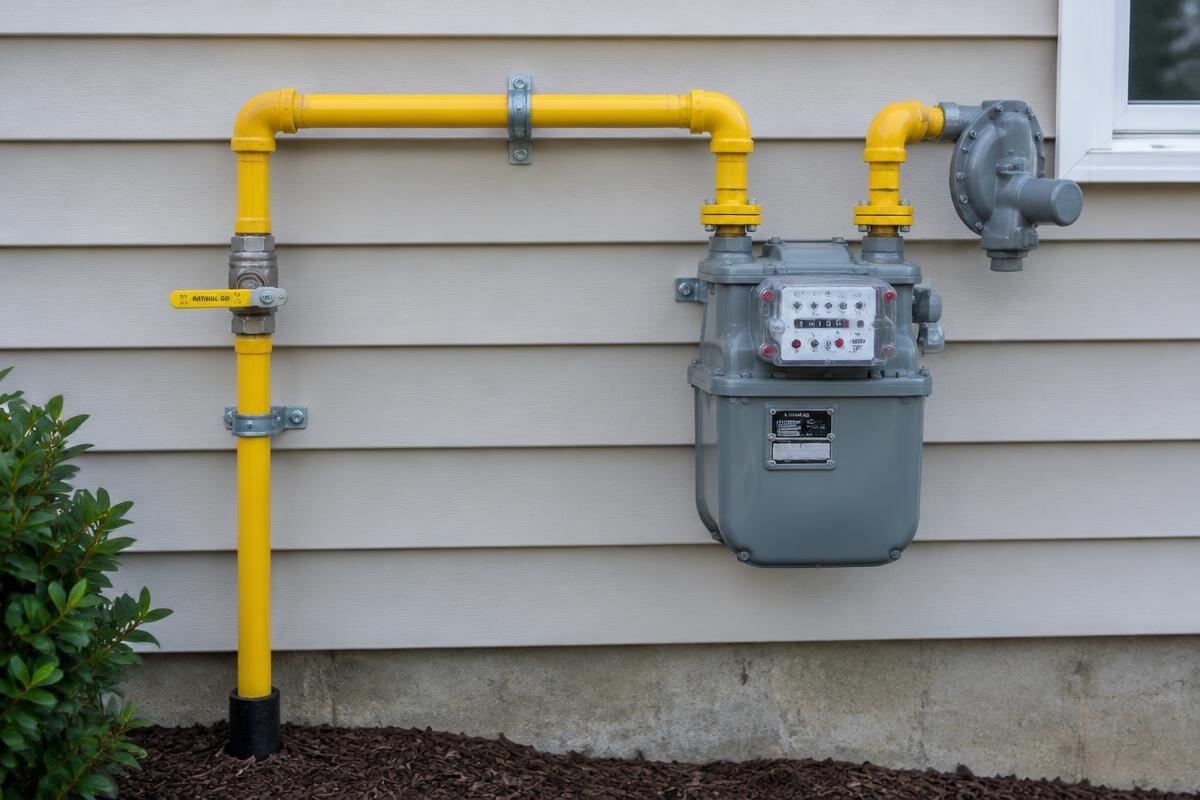
Running out of propane halfway through a barbecue. Wishing you could cook on a real gas range. Paying more than you would like to run an electric dryer. These are everyday problems with the same solution: a new natural gas line. Many homes already have natural gas for the furnace and water heater, which means adding a branch line for another appliance is often simpler than homeowners expect.
Gas piping is not a do-it-yourself job, and in Ontario it must be done by a licensed gas technician. This guide explains what is involved in adding a gas line for a BBQ, stove, dryer, fire table or outdoor heater, what affects the price, how long it takes, and how to get a project done safely and to code.
Why homeowners switch to a natural gas line
The most common reason is convenience. A natural gas BBQ hookup means no more tank swaps, no more running out mid-meal, and no more storing propane cylinders in the garage. For kitchens, a gas range offers instant heat and fine control that many home cooks prefer. A gas dryer often dries faster and can cost less to run than electric, depending on rates.
Natural gas is also a good fit for outdoor living projects that have become popular backyards: fire tables, patio heaters, outdoor kitchens and pool heaters. Once a line is run to the yard, adding another appliance later is easier when the original line was sized with that in mind.
What a gas line installation involves
Every project starts with a site visit. The technician looks at where the new appliance will go, where the existing gas supply is, and the best route between them. They also check the gas meter size and total load on the system, because adding an appliance increases demand and the piping must be sized to deliver enough gas to everything at once.
The installation itself usually involves tapping into the existing gas piping, running new black iron, corrugated stainless steel (CSST) or approved flexible piping to the location, installing a shut-off valve at the appliance, and making the final connection. Exterior lines are routed and protected according to code, and every joint is pressure-tested before the gas is turned on. The appliance is then connected, tested and checked for proper operation.
Common gas line projects homes
Most of our gas piping work falls into a handful of project types. Each has its own planning considerations.
- Natural gas BBQ line with a quick-connect outlet on the deck or patio.
- Gas stove or range hookup during a kitchen renovation, including converting from electric.
- Gas dryer line in the laundry room or basement.
- Outdoor fire table, fire pit or patio heater line.
- Gas line for a pool heater on the equipment pad.
- Gas line for a new gas fireplace, garage heater or backup generator.
If you are planning more than one of these, mention it at the start. Running one properly sized line with branches is usually cheaper than coming back later for a second installation.
Permits, inspections and the rules that apply
In Ontario, gas work is regulated, and installations must meet the natural gas and propane installation code. A licensed gas technician is responsible for doing the work to code and ensuring any required permits or notifications are handled. Depending on the project, the gas utility may need to inspect or approve changes, particularly if the meter needs upgrading.
This is not paperwork for its own sake. Undersized lines can starve appliances and cause poor combustion. Poorly supported or unprotected exterior piping can be damaged. Improper joints can leak. When you hire a licensed technician, ask how they handle permits and testing, and keep the paperwork for your records and for when you sell the home.
What affects gas line installation cost
No two gas line jobs are the same, so pricing varies. The main factors are the distance from the existing supply to the new appliance, how many walls, floors or ceilings the line must pass through, whether the line runs inside, outside or both, the type of piping used, and whether the meter or main line needs upsizing.
Finished basements, stone patios and long runs across a yard add time. A short run to a dryer in an unfinished laundry room is at the lower end. Our pricing page lists estimated ranges for gas line installation. They are estimated ranges only, and the final price is confirmed after assessment. We give you a clear quote after the site visit, before any work starts.
How long does it take to add a gas line?
Many simple gas line installations, such as a BBQ hookup or dryer line with a straightforward route, are completed in a few hours to a single day. Longer runs, multiple appliances or jobs that need drywall access can take longer. If the gas utility needs to upgrade the meter, that is scheduled separately and can add time.
During the work, gas may need to be turned off to some or all appliances for a short period. The technician will relight pilots and check that every appliance is working before they leave.
Planning tips before you book
A little planning makes the job faster and helps you get an accurate quote. Have the appliance model or spec sheet handy, because input rating affects line sizing. Decide where you want the BBQ, stove or dryer to sit, and think about future appliances you might add.
For outdoor projects, consider where people walk, where snow piles up, and where the line will be least exposed. For kitchen renovations, involve the gas technician early so the line is roughed in before cabinets and finishes go in. Coordinating timing saves cutting into new work later.
Not sure what's causing it?
A technician can diagnose it on the first visit and confirm the price before any work.
Safety: what not to do with gas lines
Please never attempt to extend, cut or connect gas piping yourself, and never use hardware-store fittings to connect an appliance to an existing line. Even small leaks can be dangerous. A licensed technician uses approved materials, pressure-tests the system and checks for leaks with proper equipment.
If you ever smell gas, which has a rotten egg odour added to it, leave the home right away. Do not use light switches, phones or anything that could spark inside. Once outside, call the gas utility emergency line and 911.
Choosing the right location for a natural gas BBQ
Where you place a natural gas BBQ affects both the cost of the gas line and how much you enjoy using it. A spot close to the house wall where the gas line exits is usually the most economical. A spot farther out on the deck or patio may require a longer run, a buried line, or a post-mounted outlet.
Think about safe clearances from the house, windows, doors and overhangs, and follow the BBQ manufacturer's clearance requirements. Many homeowners like a quick-connect outlet with a shut-off, so the BBQ can be disconnected and moved for cleaning or storage. A technician can recommend a location that balances convenience, safety and cost.
Converting an electric stove or dryer to gas
Switching from an electric range or dryer to gas is one of the most common kitchen and laundry upgrades. The gas line itself is only part of the job. Gas ranges still need a standard electrical outlet for igniters and controls, and gas dryers need a regular outlet plus proper exhaust venting to the outside.
Before you buy a new appliance, check the space behind it. A technician can tell you where the gas outlet should be positioned so the appliance sits flush against the wall. In a kitchen renovation, it is much easier and cheaper to run the line before the floors, cabinets and backsplash are finished.
Signs an existing gas line needs repair
If you are adding a new appliance, it is a good time to have older gas piping checked. Watch for these warning signs on existing lines:
- A faint rotten egg smell near appliances or the meter.
- Hissing sounds near piping or connections.
- Dead or discoloured grass along the path of a buried line.
- Corroded, rusted or damaged piping or fittings.
- Appliances with weak or yellow flames.
- Old flexible appliance connectors that look kinked or brittle.
Any suspicion of a gas leak should be treated as an emergency. Leave the home, then call the gas utility emergency line and 911 from outside. For non-urgent concerns, a gas leak detection and repair visit can test and fix problem areas.
Outdoor living projects that use natural gas
Once a gas line reaches the backyard, many homeowners plan a full outdoor living space. Popular projects include a built-in outdoor kitchen with a natural gas grill and side burner, a fire table or fire pit for evenings on the patio, overhead or freestanding patio heaters to extend the season into fall, and a gas pool heater for warmer water from spring to autumn.
Planning these together is smart. The technician can size the main outdoor line to handle all appliances you may add, install a manifold or several shut-off valves, and route the piping where it will be protected from lawn equipment, digging and snow removal. Doing it once, sized for the future, usually costs less than adding separate lines later.
If you are working with a landscaper or deck builder, bring the gas technician into the plan early. Lines can be laid before pavers or decking go down, which avoids lifting new work and keeps the project on schedule.
Book a gas line installation
Whether it is a natural gas BBQ line in Lorne Park, a gas range hookup in Erin Mills or a dryer line in Meadowvale, EmberRise Pro plans and installs gas piping. Send us a quote request with the appliance, where it will go and roughly where your gas meter is, and our team will confirm availability and pricing.